
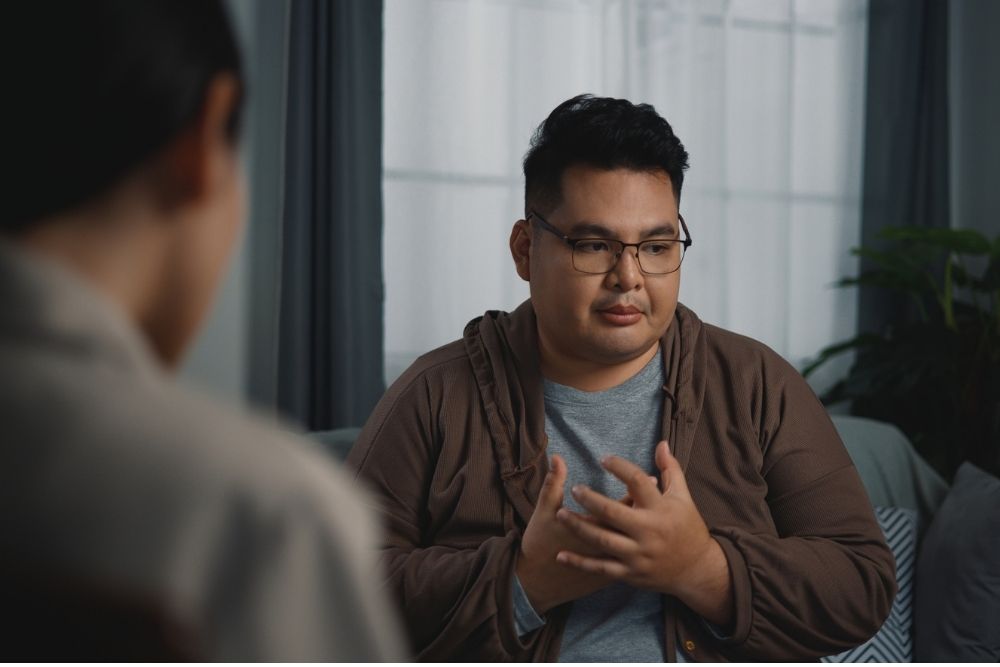
Struggling with alcohol or substances isn’t a sign of weakness—it’s a sign of a health condition that deserves compassionate, evidence-based support. For many people, outpatient treatment is a powerful path toward recovery, offering flexibility, connection, and personalized care that fits into real life. Whether you’re taking your first step toward help or returning to treatment after a setback, outpatient programs open the door to lasting change.
What Is Outpatient Addiction Treatment?
This is a form of structured therapy and support delivered on a scheduled basis, without requiring 24/7 residential care in a facility. However, comprehensive outpatient treatment (OT) includes many of the same vital components of residential rehab, including various forms of therapy, relapse prevention skills, and community support—all while you continue living at home.
This approach is ideal for people with mild-to-moderate alcohol use disorder (AUD) or substance use disorder (SUD), those transitioning from residential care, or individuals who need ongoing treatment but can’t step away from work, school, or family roles.
How Can Outpatient Treatment Make a Difference?
Outpatient care isn’t “less than” residential treatment—it’s a different way of healing that brings treatment into the context of everyday life. The benefits below highlight why so many people find it both practical and effective.
Flexibility That Supports Real-World Recovery
One of the greatest strengths of outpatient treatment is its ability to support recovery without removing individuals from their daily lives. According to the Substance Abuse and Mental Health Services Administration, treatment is most effective when it allows people to remain connected to their families, workplaces, and communities whenever clinically appropriate.
Outpatient programs make this possible by offering scheduled sessions that fit around existing responsibilities. This flexibility allows individuals to:
- Continue working or attending school.
- Care for children, aging parents, or other loved ones.
- Apply recovery skills immediately in real-life situations.
Maintaining daily routines and rituals helps strengthen recovery by encouraging people to practice healthier decision-making in environments where challenges naturally arise. Learning to manage stressors in real time improves confidence, accountability, and long-term engagement in recovery. Rather than putting life on hold, OT supports healing alongside everyday responsibilities, helping recovery feel sustainable.
Evidence-Based Care Grounded in Science
Outpatient addiction treatment programs rely on evidence-based practices that are supported by decades of research from organizations such as the National Institute on Alcohol Abuse and Alcoholism, the National Institute on Drug Abuse, and the National Institutes of Health. These approaches are proven to help individuals reduce substance use, improve emotional regulation, and build long-term recovery skills.
Common evidence-based components of outpatient care include:
- Cognitive behavioral therapy to identify and change harmful thought patterns
- Motivational approaches that strengthen commitment to recovery goals
- Group therapy to build peer support and reduce isolation
- Relapse prevention education focused on coping strategies and trigger management
Applying skills in everyday life helps reinforce learning, improve problem-solving abilities, and support lasting behavior change. This science-driven approach ensures that outpatient treatment is not only flexible but also clinically sound, structured, and effective for many people with AUD or SUD.
Key Benefits of Outpatient Treatment
Outpatient programs offer a range of therapeutic services tailored to each person’s needs and stage of recovery. In addition to those already mentioned, other services may include, but not be limited to:
- Individual counseling focused on personal recovery goals
- Mutual aid support groups that foster connection and shared support
- Family therapy to strengthen relationships and understanding
- Educational and community-based support services
Other advantages you or a family member might consider:
- Cost-effective access to quality care. Without the need for overnight stays, outpatient treatment is often more affordable than residential programs. Lower costs can help individuals remain engaged in care longer, supporting consistent progress in recovery.
- Privacy and discretion. OT offers a discreet option for those seeking help while maintaining confidentiality. Scheduled sessions and continued daily routines allow individuals to receive care without significant disruption to work, school, or personal life. This might make OT a better option for professionals, elite athletes, and people in other industries so they don’t have to delay getting quality care.
When Is OT Right For You or Someone You Love?
Choosing the right level of care can feel overwhelming, but understanding how treatment aligns with individual needs makes that decision clearer and more empowering. OT is a possibility if you or a loved one:
- Have a safe and stable living environment.
- Are motivated to work on recovery goals.
- Have responsibilities that cannot be deferred.
- Have mild to moderate symptoms or are transitioning from a higher level of care.
However, it’s important to remember that outpatient treatment isn’t one size fits all. Some individuals with severe addiction or significant medical needs may require more intensive inpatient care initially before transitioning to an outpatient level. A qualified clinician will help determine the best level of support.
Willingway: Your Path to Hope and Healing
Outpatient treatment offers a balanced, realistic, and compassionate option to better manage AUD and SUD. It recognizes that healing is best supported—not isolated—from real life. With evidence-based therapy, peer support, family involvement, and personalized care, many people find the structure they need to build a new life. At Willingway’s Georgia and Florida addiction rehabilitation locations, our board-certified professionals offer comprehensive outpatient services you can take advantage of right now. Simply call our admissions team today to start your recovery journey.