
Imagine waking up each morning excited for something that isn’t tied to work, obligations, or old, destructive habits. Maybe it’s painting a sunset, hiking a new trail, tending your backyard garden, or picking up a guitar for the first time. These seemingly simple hobbies do more than pass the time: they can transform your health, mood, and life. This transformation becomes especially powerful when you’re healing from addiction and expanding aspects of your daily recovery practice.
What Are Hobbies and Why Do They Matter?
They’re activities you choose to do for enjoyment during free time. They might involve physical movement, creative expression, social connection, or quiet reflection. While hobbies are often thought of as general pastimes, research suggests that they’re vital for both mental and physical health. In fact, engaging in regular hobbies is linked with lower stress, better mood, stronger cognitive skills, and more satisfying lives. Let’s take a closer look at the health benefits.
Hobbies Boost Mental Well-Being
Participating in activities you love provides meaning, joy, and stress relief. UCLA Health reports that people who engage in hobbies experience higher levels of happiness, life satisfaction, and mental health compared with those who don’t—even across different countries and ages.
Some hobbies, such as creative arts and group activities, add social connection and lower anxiety. Good mental health is a cornerstone of overall well-being and resilience, which makes it easier to handle the challenges of everyday life.
They Keep Your Body and Brain Healthy
The Centers for Disease Control and Prevention notes that physical activity helps reduce depression and anxiety, improves sleep, and keeps cognitive skills sharp as you age. Even if your hobby isn’t “exercise” in the traditional sense, many physical pursuits count toward improved health. From archery to yoga, fishing to gardening, these and other activities help improve heart health, boost energy, and protect against chronic diseases.
Plus, mental stimulation from hobbies such as puzzles, reading, or learning new skills is linked to stronger brain function, better memory, and even a lower risk of age-related decline.
One of the most powerful benefits of hobbies is connection. Whether you join a book club, a walking group, or a dance class, hobbies expand your social circle with positive, supportive peers. UCLA Health notes that group hobbies contribute to socialization, which is associated with happier, less anxious lives. Feeling connected to others and having a sense of belonging also helps prevent loneliness in recovery.
What Are Some Examples of Health-Boosting Hobbies?
Choosing a hobby isn’t about finding something impressive—it’s more about what gives you joy and sparks your interest. The key is discovering activities that make healthy choices feel natural and sustainable, not forced. Here are several hobby categories and how they uniquely support both mind and body.
Walking, Hiking, Dancing, or Team Sports
These movement-based hobbies improve cardiovascular health, boost endorphins, and reduce symptoms of anxiety and depression. Group sports or dance classes add accountability and social connection, which are especially valuable during recovery. Physical activity also improves sleep quality—a common challenge in early sobriety.
Yoga, Tai Chi, Or Stretching Practices
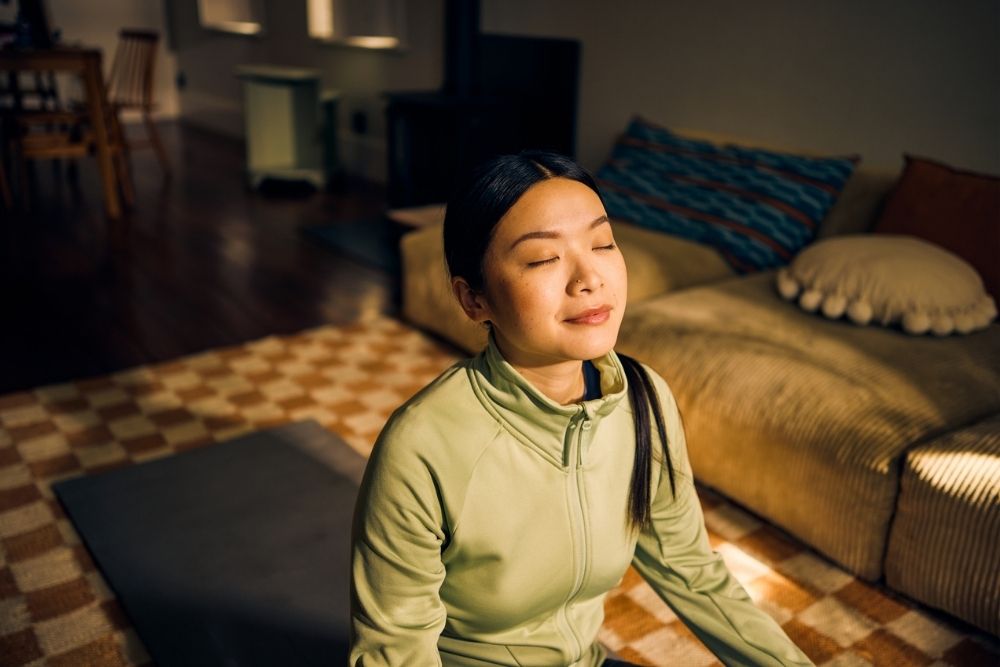
Mind-body activities promote relaxation, flexibility, balance, and emotional regulation. These hobbies help calm the stress response and increase body awareness, which helps reduce impulsive behavior and support emotional self-control during recovery.
Spending Time Outdoors
Gardening, landscaping, forest bathing, and other activities combine light movement with exposure to nature, both of which lower stress hormones and improve mood. Caring for plants in particular also creates a sense of responsibility and routine, reinforcing stability and patience—qualities that support long-term sobriety.
Creative Arts
Painting, drawing, music, writing, crafting, and other artistic pursuits provide a safe outlet for emotions that might otherwise feel overwhelming. Making art or music can lower stress, improve focus, and boost self-esteem through self-expression and skill development. For many people in recovery, expressing themselves creatively is a powerful way to process feelings without substances.
Cooking Or Baking
Kitchen time encourages mindfulness, routine, and self-care. Successfully making a meal boosts confidence and reinforces healthy daily habits. Cooking also supports physical health by improving nutrition, which is critical for healing the body after substance use.
Games, Puzzles, Or Strategy Activities
As mentioned previously, these hobbies strengthen memory, problem-solving skills, and concentration. Cognitive stimulation helps rebuild mental sharpness and supports long-term brain health.
Volunteering Or Community Service
Helping others creates a sense of purpose and belonging—two elements often lost during addiction. Giving back increases life satisfaction, reduces isolation, and reinforces positive identity, reminding you that you’re not only valued but also capable of making a difference.
Learning-Based Hobbies
Language study, different classes, and skill-building workshops centered on something new strengthen brain function and encourage goal-setting. Progressing in a new skill builds confidence, patience, and motivation—traits that translate directly into recovery success.
Learn Better Ways of Living With Help From Willingway
Hobbies are far more than fun. In the context of addiction recovery, they’re anchors, helping fill time with meaning, strengthen confidence, manage stress, and build supportive relationships that help sustain long-term well-being. So the next time someone asks what you do for fun, tell them, “I’m building a healthier life, one hobby at a time.”
At Willingway’s Georgia and Florida addiction rehabilitation locations, our approach reflects a commitment to treating the whole person, not just the substance. While high client satisfaction ratings look good on paper, the true success of our programs is your long-lasting health and a better life. Reach out to a member of our admissions team today to learn how we can best serve you.