
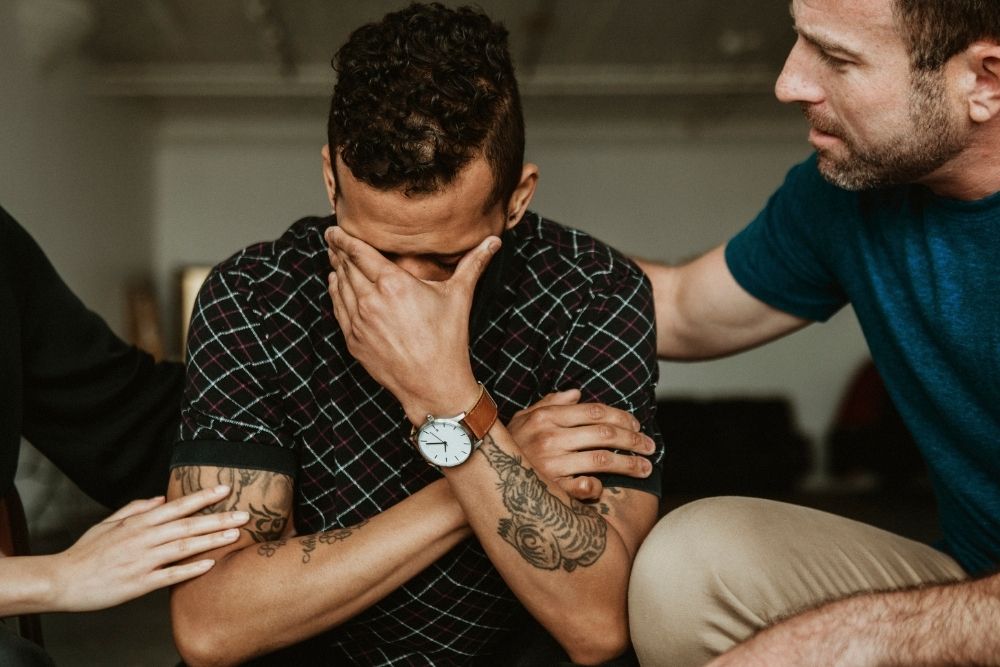
Substance use disorder (SUD) and alcohol use disorder (AUD) don’t discriminate. They affect people from all walks of life, impacting physical health, relationships, careers, and emotional well-being. If you or a loved one is struggling with some type of SUD or AUD, finding the right recovery center that combines medical expertise with compassionate support can be life-changing. At our nationally recognized addiction recovery center, our patients receive personalized, evidence-based care designed to help them build a foundation for lasting sobriety.
What’s Willingway’s Holistic Continuum of Care?
As there are many types of addiction, we don’t use a one-size-fits-all approach. Instead, we offer a comprehensive continuum of services that may include:
- Medically supervised detoxification
- Residential (inpatient) care
- Outpatient programs
- Continuing care supports, such as community groups and aftercare planning
These services are tailored to meet each person’s unique history, clinical needs, and recovery goals, ensuring that you receive the right level of care at the right time.
Medical and clinical teams begin every admission with a confidential assessment to determine an individual’s level of substance use and appropriate treatment plan. Once admitted, our patients work with assigned counselors and interdisciplinary teams to develop and review treatment plans throughout their stay.
How Does Medically Supervised Detoxification Help You Begin Recovery Safely?
While not every person needs detoxification, it’s often a necessary first step to help make other stages of treatment easier. Detox helps remove alcohol or drugs from the body while managing withdrawal symptoms under professional medical supervision. This is especially important for substances with potentially severe or life-threatening withdrawal effects. Willingway’s detox program is overseen by experienced medical professionals and designed to maximize comfort and safety.
Notably, our addiction recovery center has developed protocols that safely support detox for complex cases, including high-dose methadone and Suboxone dependence—situations that many programs find challenging to treat.
How Can Willingway Break the Cycle of Alcohol Addiction?
AUD is one of the most common forms of addiction, often hidden behind socially accepted norms. At Willingway, alcohol addiction treatment begins with ensuring that individuals are sober and medically stable. Those who are still drinking upon admission may first enter detox to safely manage withdrawal.
Then, patients take part in a structured residential program that includes therapeutic programs such as:
- Gender-specific issue groups
- Individual and group therapy
- Spirituality work
- Recreational therapy
- 12-step meetings
These methods help people understand the underlying causes of their alcohol use, develop healthier coping mechanisms, and reconnect with their personal values and relationships.
A key part of the process is discharge planning and aftercare support. Willingway connects clients with continuing care community groups, offering weekly peer-led meetings at no cost—either in person or virtually for those who live farther away.
Why Is Substance-Specific Drug Addiction Treatment More Effective?
Each drug has unique chemical properties, withdrawal risks, psychological effects, and patterns of use. Substance-specific drug treatment allows our clinicians to address the particular medical needs, behavioral patterns, and relapse risks associated with each, whether it’s stimulants, opioids, or prescription medications.
By tailoring care to the substance being used, our treatment teams provide safer detox protocols, more targeted therapy, and education that directly reflects a person’s experience. This focused approach helps individuals better understand their addiction, develop relevant coping strategies, and build a stronger foundation for long-term recovery.
At Willingway, we can help you or someone you love with addiction recovery for:
- Cocaine. Treatment focuses on managing intense psychological cravings, repairing the effects of stimulant use on mood and sleep, and developing relapse-prevention strategies for high-risk triggers.
- Fentanyl. Care emphasizes medical safety during withdrawal, stabilization from a highly potent opioid, and structured therapy to reduce overdose risk and support long-term recovery.
- Heroin. Treatment addresses both physical dependence and the emotional and behavioral patterns associated with opioid use, combining detox, counseling, and recovery education.
- Prescription drugs. Programs are tailored to medications such as opioids, sedatives, or stimulants, helping individuals safely taper off dosages, understand how dependence developed, and rebuild healthy coping skills.
This customized approach means people in our care receive treatment that directly reflects their experience—improving engagement, reducing complications, and strengthening the foundation for lasting sobriety.
Why Is Aftercare and Community Support Essential Beyond Treatment?
Recovery doesn’t end when residential treatment does. Willingway places strong emphasis on aftercare and continuing care support, including community groups that clients can attend for ongoing encouragement and accountability. Many have found these weekly meetings to be a crucial component of sustained sobriety and personal growth.
Family involvement and discharge planning are also integral, helping individuals and their loved ones transition back into daily life with confidence and a roadmap for long-term well-being.
Willingway: Your Source for Healing
For anyone struggling with a type of addiction—whether alcohol, cocaine, fentanyl, heroin, or prescription drugs—comprehensive care built on clinical excellence and human compassion offers a bridge from despair to recovery.
At Willingway’s Georgia and Florida addiction rehabilitation locations, our approach reflects a commitment to treating the whole person, not just the substance. While high client satisfaction ratings look good on paper, the true success of our programs is your long-lasting health and a better life. Reach out to a member of our admissions team today to learn how we can best serve you.