
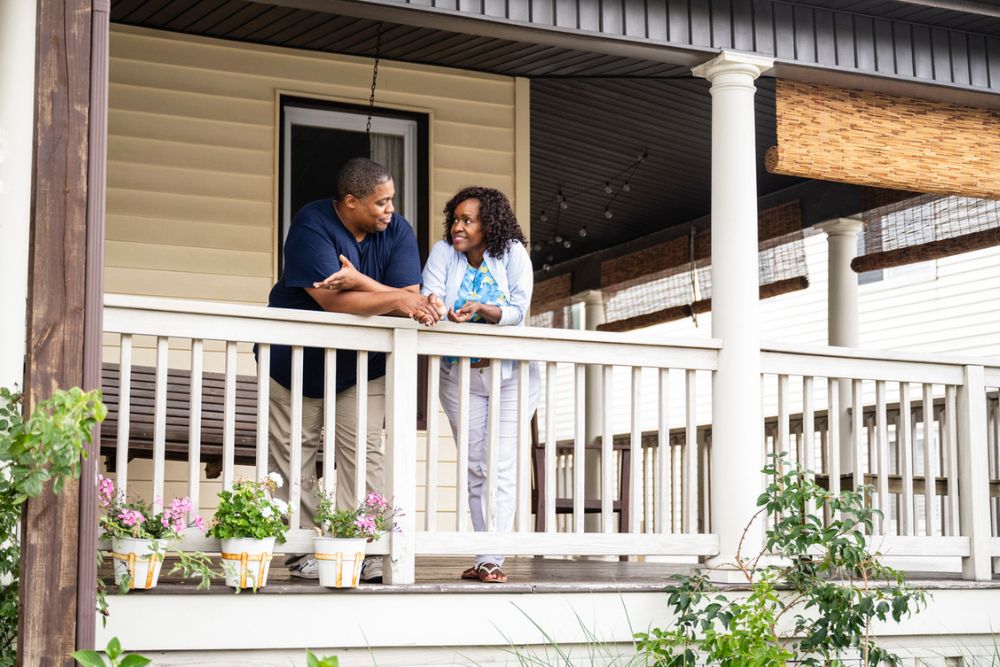
Leaving addiction treatment is an important milestone, but it doesn’t automatically mean recovery suddenly becomes easy. For many people, the transition from a highly structured treatment setting back to ordinary life is one of the most vulnerable stages of the journey. Sober living environments—also called recovery residences, extended treatment, or transitional housing—provide essential stability and support to make that transition safely and successfully.
Sober living isn’t simply a place to stay. At its best, it creates a recovery-focused community where residents can practice the skills they learned in treatment while gradually taking on the responsibilities of independent life. Research increasingly suggests that this combination of safe housing, accountability, peer support, and continued connection to recovery services can improve important outcomes for people with substance use disorders.
A Bridge Between Treatment and Independence
Residential treatment offers intensive structure. Independent living offers considerably less. Sober living occupies the space between those two experiences.
This middle ground matters because early recovery involves more than stopping substance use. A person may need to rebuild routines, repair relationships, find employment, return to school, manage money, address legal responsibilities, and learn healthier ways to manage stress. Attempting to handle all of these challenges immediately after treatment can be overwhelming.
A sober living environment provides an opportunity to take those steps progressively. Residents may have:
- House responsibilities
- Curfews
- Recovery meetings
- Drug and alcohol policies
- Employment expectations
- Other requirements
These expectations transform recovery principles into everyday habits rather than leaving them as ideas learned during treatment.
This doesn’t mean every sober living residence is identical. Programs vary considerably in their structure, staffing, rules, services, and expectations. Additionally, unlike inpatient programs with a fixed duration, the length of stay in a sober living environment can be more flexible. Residents may stay for varying lengths of time based on their individual needs and progress in recovery. Choosing a residence that matches your clinical and practical requirements is important.
Here’s another vital point: stable housing is a fundamental part of recovery. Returning to an environment where alcohol or drugs are readily available—or where conflict, instability, or other relapse triggers are common—makes maintaining sobriety substantially more difficult. Transitional living offers a firm footing that eases you back into the real world.
How Does More Peer Support Change the Recovery Experience?
Addiction is often isolating. Recovery can be isolating, too—especially when someone returns to relationships or social groups that don’t understand what they’re trying to accomplish.
However, sober living residents are with other people also working toward recovery, creating opportunities for encouragement, accountability, and shared experiences. Instead of having to explain why sobriety matters, you or a loved one are among people who already understand.
Research on recovery housing indicates that peer support and a recovery-oriented social environment contribute to better engagement and results. Studies have also associated recovery housing with improvements in substance use, employment, income, and criminal-justice outcomes, although researchers emphasize that more high-quality studies are still needed.
Sober Living Environments Enable Stronger Daily Recovery Routines
One of the greatest advantages of transitional housing is that it turns recovery into something practiced every day.
Learning coping skills in therapy is valuable, but using those skills after a difficult day at work is when they become part of your life. Learning about healthy communication is important, but practicing it with roommates is where growth becomes tangible. Creating a relapse-prevention plan is useful, but following that plan when stress or cravings appear is the real test.
Extended treatment residences provide repeated opportunities for success. You can develop routines, manage responsibilities, make healthier decisions, and learn from setbacks while still having a recovery-focused support system around you.
How Does Transitional Living Support Your Next Chapter? Willingway Can Help
For someone in early recovery, the question isn’t simply, “Can I live on my own yet?” A more useful question may be, “What environment gives me the best opportunity to build a life I can sustain?”
Extended recovery housing isn’t about putting life on hold. It can actually make rebuilding a life more achievable. For more than 50 years, the board-certified professionals at Willingway’s Georgia and Florida addiction rehabilitation locations have offered evidence-based treatment solutions and recovery reinforcement.
We have gender specific extended treatment options in sober living environments designed to meet the needs of individuals who may require these longer-term services. Willingway operates two sober living programs: the Men’s Lodge and Women’s Residence. Both are ideal for individuals who have a history of chronic relapse, legal or serious family issues, or have had multiple treatments in the past. Download our extended services brochure, then talk with our admissions team to learn more.