
Walk into many gas stations, smoke shops, vape stores, or convenience stores today, and you’ll likely find brightly colored packages advertising kratom or products labeled 7-OH. They may sit alongside energy drinks, nicotine products, and CBD gummies, often promoted as natural ways to improve mood, increase energy, relieve pain, or help people relax. Their retail availability can create the impression that these products are relatively harmless.
However, addiction specialists, federal health agencies, and state officials have expressed growing concern that regular use—especially of concentrated 7-hydroxymitragynine (7-OH) products—frequently leads to serious health consequences, including dependence and addiction.
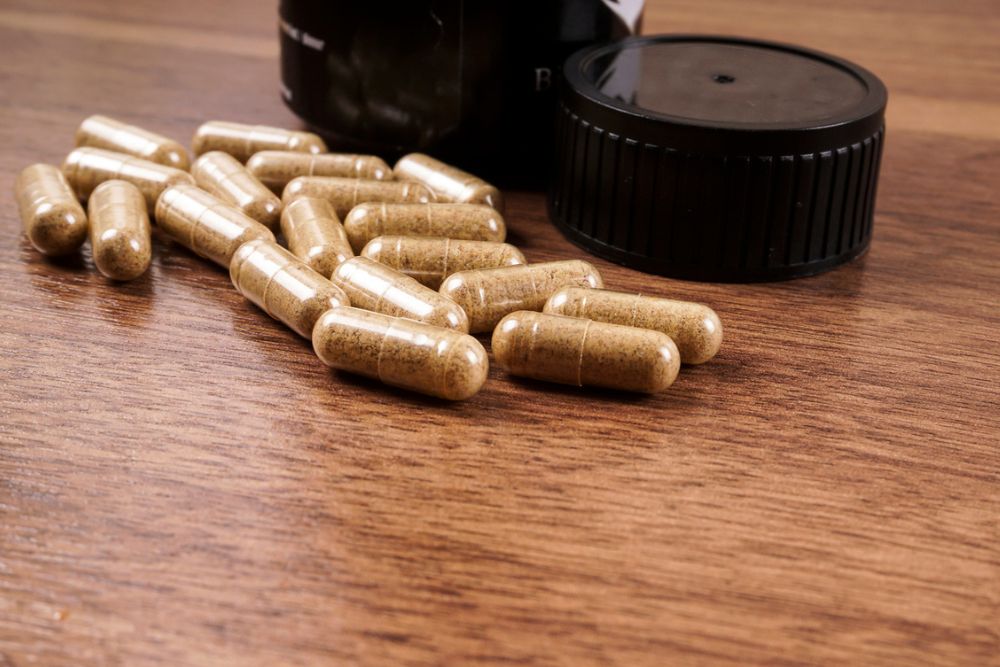
For many people, kratom use begins with curiosity. Someone may purchase capsules, powdered leaf, tea, or a liquid shot while checking out at a local convenience store. Others encounter flavored gummies or dissolvable tablets displayed near supplements or energy products.
More recently, concentrated 7-OH products have entered the market in eye-catching packaging that resembles candy, wellness supplements, or even ice cream treats. According to the Georgia Attorney General’s Office, although these synthetic opioids are regulated to be sold only to adults over 21, some of them are intentionally packaged to appeal to younger consumers while containing highly concentrated forms of 7-OH rather than the naturally occurring levels found in kratom leaf.
Understanding Kratom and 7-OH
Kratom comes from the leaves of the Mitragyna speciosa tree, native to Southeast Asia. At lower doses, users often describe feeling more energetic, alert, sociable, or productive. As larger amounts are consumed, the effects become increasingly opioid-like, producing pain relief, sedation, relaxation, and euphoria.
Traditional kratom leaf naturally contains minuscule amounts of 7-OH, one of its active alkaloids. However, many newer retail products contain isolated or concentrated 7-OH at levels far beyond what occurs naturally.
The U.S. Food and Drug Administration has warned that these products aren’t approved drugs or lawful dietary supplements and has issued warning letters to companies marketing them with unproven medical claims. In July 2026, the U.S. Drug Enforcement Administration announced temporary scheduling actions for 7-OH and related substances because of concerns about abuse potential and threats to public health.
Why Are 7-OH and Kratom Potentially Addictive?
Unlike many herbal supplements, kratom affects receptors in the brain also involved in opioid effects. While some people initially experience increased energy or improved mood, repeated exposure can cause the brain to adapt, creating a dependency on increasingly larger amounts to achieve the same results.
Concentrated 7-OH products present an even greater concern. Georgia lawmakers and medical experts indicate that isolated 7-OH is considerably more potent than natural kratom, and that many of these products are engineered to maximize potency rather than reflect the composition of the natural plant. Excessive use may lead to seizures, substance use disorder, withdrawal, overdose, and death.
Because many users can purchase these products quickly at familiar retail locations without visiting a pharmacy or physician, some begin using them more frequently than intended. What starts as occasional use after work or for chronic pain can gradually become multiple daily doses simply to avoid feeling unwell.
What Are the Warning Signs of 7-OH and Kratom Addiction?
Most people who develop a kratom addiction don’t recognize it in its early stages. Initial use may seem manageable if someone initially takes it for mood enhancement, energy, or pain relief.
However, over weeks or months, increasing tolerance leads to higher doses and more frequent use. Some of the most common warning signs of addiction include:
- Using kratom or 7-OH products every day or several times each day
- Needing larger amounts to achieve the desired effects
- Feeling anxious or uncomfortable when doses are missed
- Experiencing cravings throughout the day
- Spending increasing amounts of money on products
- Continuing to use despite problems with work, school, finances, or relationships
- Trying unsuccessfully to quit or cut back
- Uncomfortable physical symptoms such as muscle aches, insomnia, irritability, anxiety, restlessness, sweating, and gastrointestinal distress
- Structuring daily routines around obtaining or using kratom
Recovery Starts With Recognizing the Problem
Many people delay seeking treatment because they believe kratom is safer than other addictive substances simply because it’s sold openly in retail stores. Unfortunately, addiction is determined by how a substance affects the brain and behavior—not by whether it’s legal and where it’s purchased.
Acknowledging that use has become difficult to control is often the first and most important step toward recovery. Quality treatment addresses underlying issues that may have contributed to kratom use in the first place. Co-occurring conditions such as depression, trauma, anxiety, chronic pain, and stress frequently coexist with substance use disorders. Treating these issues together often leads to stronger, more lasting recovery.
Willingway Will Help You Take the Next Steps in Your Recovery
Recovery from kratom or 7-OH dependence isn’t simply a matter of stopping the substance. Because withdrawal symptoms often make quitting challenging, many people benefit from professional treatment that addresses both physical dependence and the psychological aspects of addiction.
For more than 50 years, the board-certified professionals at Willingway’s Georgia and Florida addiction rehabilitation locations have offered evidence-based treatment solutions. From medically supervised detoxification and individual health-focused care to comprehensive therapeutic options and detailed aftercare, we strive to help you design a life of long-lasting recovery. Contact our admissions team today to learn more.