
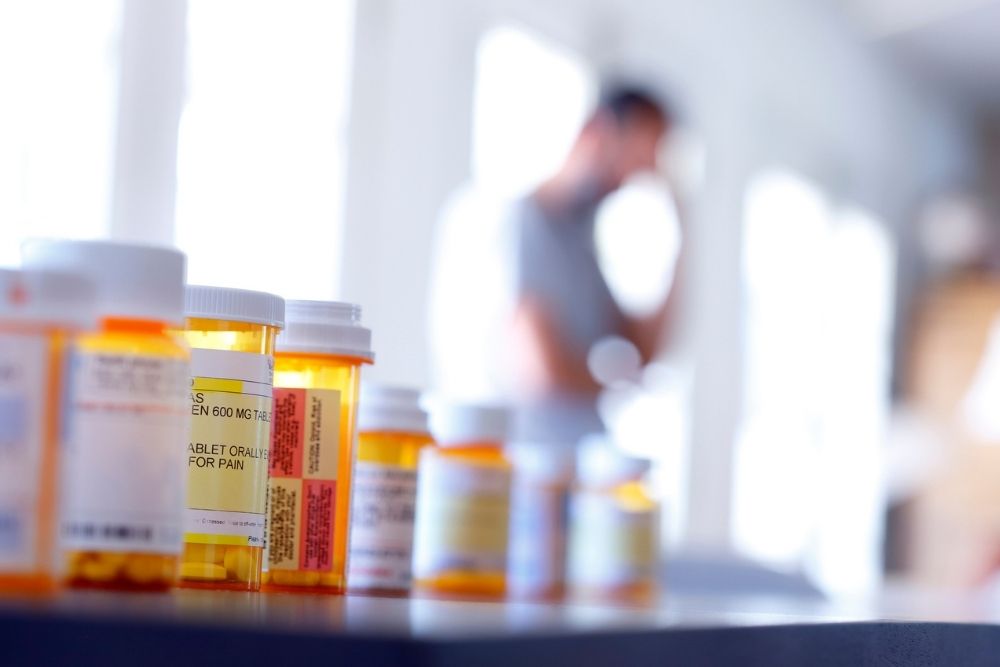
The opioid epidemic remains one of the most pressing public health concerns in Georgia and throughout the Southeastern U.S. While law enforcement agencies report progress in reducing some fentanyl-related overdoses, new synthetic opioids and evolving drug trafficking tactics continue to threaten communities across the region. Recent investigations and warnings from federal and local authorities show that the crisis is changing rather than disappearing.
Why Is the Opioid Crisis Still a Major Concern in Georgia?
In January 2026, the U.S. Drug Enforcement Administration (DEA) Atlanta Division launched its “Fentanyl Free America” campaign, a coordinated effort aimed at reducing the supply and demand of fentanyl across Georgia and neighboring states. Officials emphasized that fentanyl remains one of the deadliest drugs circulating in the illegal drug market, with even tiny amounts capable of causing fatal overdoses. The campaign combines public awareness, enforcement operations, and partnerships with local agencies to combat trafficking and educate communities about the risks of synthetic opioids.
The campaign reflects the ongoing urgency surrounding fentanyl in the Southeast. According to the DEA, synthetic opioids have claimed hundreds of thousands of American lives in recent years, and the Southeast remains a critical trafficking corridor because of major interstate highways, ports, and shipping routes. Traffickers continue adapting their methods to avoid detection while distributing increasingly dangerous substances.
How Is Operation Fentanyl Free America Changing Drug Enforcement Efforts?
A February 2026 investigation by News4JAX highlighted how Operation Fentanyl Free America has uncovered new drug trends and smuggling strategies in Southeast Georgia. DEA officials reported that fentanyl overdoses and the potency of seized pills have decreased compared to previous years:
- In 2023, authorities estimated that 7 out of 10 fentanyl pills seized contained potentially lethal doses.
- By early 2026, that number had reportedly fallen to approximately 3 out of 10.
While officials described the trend as encouraging, they warned that fentanyl remains extremely dangerous and that overdose deaths continue to occur.
The report also discovered that criminal organizations are changing how drugs are transported into the region. Rather than hiding narcotics beneath produce shipments, traffickers have reportedly begun concealing drugs inside hidden cardboard compartments within fruit and vegetable boxes. Authorities say the tactic allows smugglers to move smaller quantities across many shipments, making detection more difficult while still moving significant amounts of drugs into the Southeast.
Law enforcement officials involved in the investigation noted another troubling trend: growing methamphetamine demand in Southeast Georgia. Mexican drug cartels are reportedly modifying their trafficking methods to meet shifting drug preferences in the region. This illustrates how the opioid crisis increasingly overlaps with broader substance abuse issues, including methamphetamine and polysubstance use.
What New Synthetic Opioids Are Raising Alarms in the Southeast?
Even as authorities work to reduce fentanyl distribution, experts warn that newer synthetic opioids may pose an even greater threat. For example, in April 2026, WRDW reported growing concern over cychlorphine, a powerful synthetic opioid that experts believe may be stronger than fentanyl. While Georgia officials hadn’t confirmed cases within the state at the time of the report, toxicology investigations in nearby Southeastern states identified the drug in overdose deaths and illicit drug supplies.
The Center for Forensic Science and Research Education (CFSRE) states that “N-Propionitrile chlorphine belongs to an emergent subclass of novel synthetic opioids often referred to as ‘orphine analogues’ (or more simply, ‘orphines’).”
Experts fear that many people may unknowingly consume substances laced with synthetic opioids. Because these drugs are often mixed into counterfeit pills or other street drugs, individuals may have no idea what they’re taking. Authorities warn that people can collapse before emergency responders arrive, particularly because, according to the CFSRE, “In vitro pharmacology data show this drug to be approximately 10x more potent than fentanyl.”
WRDW also notes that public health officials say the rapid evolution of synthetic opioids creates major challenges for first responders, hospitals, and forensic investigators. New compounds can emerge faster than testing systems adapt, making detection and treatment more difficult. Additionally, some reports suggest that stronger or repeated doses of naloxone may be needed during overdoses involving newer synthetic compounds.
Willingway’s Professional Approach to Effective Opioid Treatment
Although diligent enforcement efforts remain essential, health officials and addiction scientists consistently emphasize that evidence-based addiction treatment and recovery services are equally important in addressing the continued opioid epidemic.
At Willingway’s Georgia and Florida addiction rehabilitation locations, our board-certified medical professionals offer comprehensive, focused treatment for fentanyl addiction and drug addiction that recognizes not only the effects of specific substances but also the unique needs of you or a loved one. Our programs provide medically supervised detoxification, behavioral therapy, relapse prevention planning, and long-term support to achieve lasting wellness. Your health deserves this level of commitment—talk to our admissions team today.